Why Emeralds Are Special
Emeralds have captivated humanity for thousands of years. As one of the “Big Three” colored gemstones alongside rubies and sapphires, emeralds are prized for their rich green color. Cleopatra was famously obsessed with them, and today they remain one of the most sought-after gemstones in the world.
But buying an emerald can be tricky. Unlike diamonds, where clarity is paramount, emerald buying emphasizes color above all else. Here’s what you need to know.
What to Look For
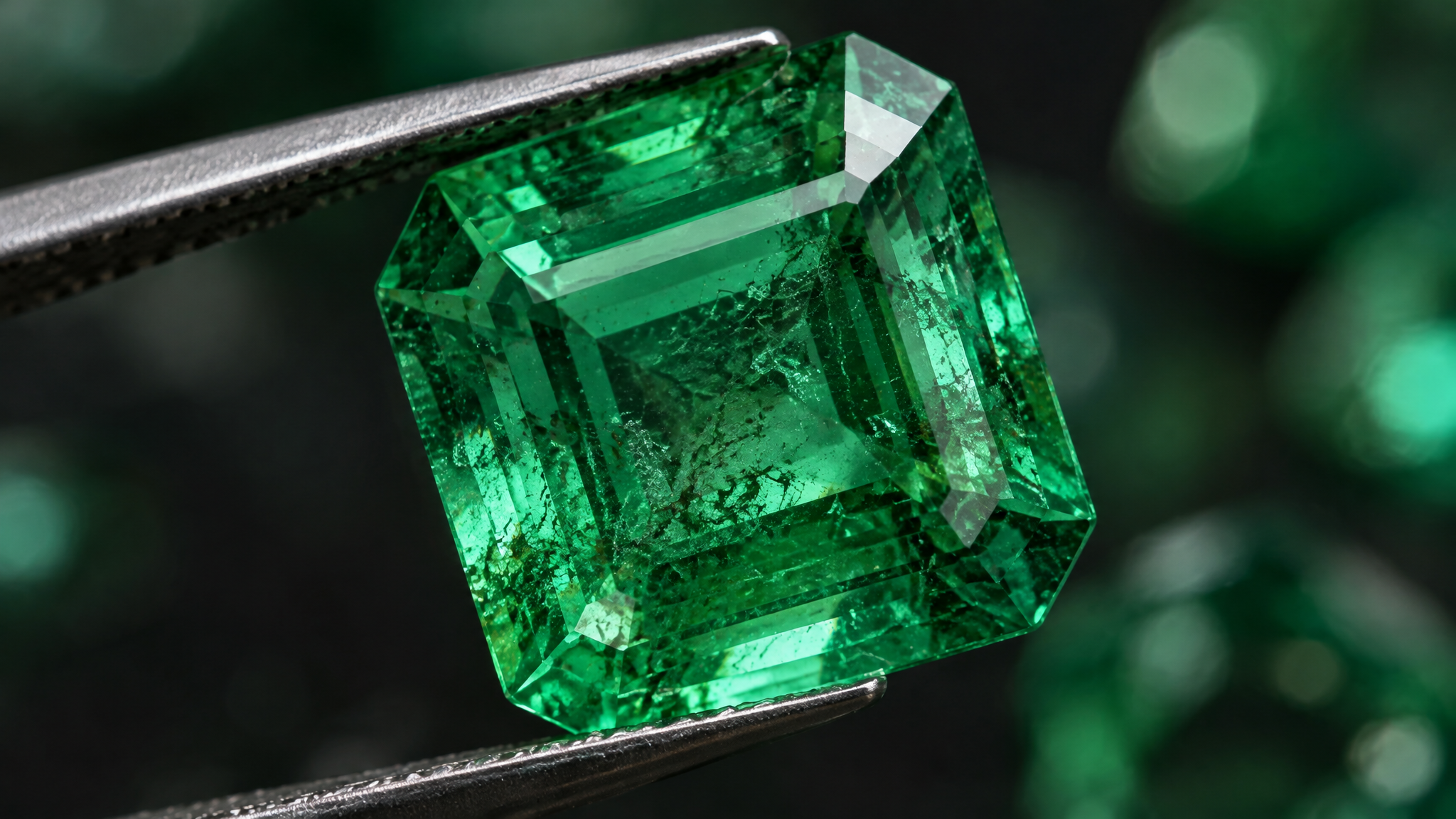
- Color: The most important factor. Look for a vivid, saturated green with slight blue undertones. Avoid stones that are too dark or too yellow-green.
- Clarity: Nearly all emeralds have inclusions (called “jardin” or “garden”). Moderate inclusions are expected and accepted — eye-clean emeralds command premium prices.
- Treatment: Most emeralds are oil-treated to improve clarity. This is standard and accepted in the industry. Cedar oil and resin treatments are common.
- Origin: Colombian emeralds are the most famous, but Zambian emeralds offer excellent quality at lower prices.
Recommended Emerald Jewelry
Natural Emerald and Diamond Ring
A stunning emerald-cut natural emerald flanked by brilliant-cut diamonds in a 14K white gold setting. A timeless choice for any occasion.
See Price on Amazon →Colombian Emerald Pendant Necklace
Genuine Colombian emerald pendant in 14K yellow gold with a delicate chain. Rich green color with excellent saturation.
See Price on Amazon →Emerald Stud Earrings in Sterling Silver
Classic round-cut emerald studs in a sterling silver setting. Perfect for everyday elegance.
See Price on Amazon →Care Tips for Emeralds
- Clean with lukewarm water and mild soap — never use ultrasonic cleaners or steamers.
- Store separately from harder stones like diamonds to prevent scratching.
- Remove emerald jewelry before vigorous activity, as emeralds rate 7.5-8 on the Mohs scale.
- Have emeralds re-oiled by a professional jeweler every few years if they look dry.
Frequently Asked Questions
Are darker emeralds more valuable?
Not necessarily. The most valued emeralds have a vivid, medium-to-medium-dark green. Too dark and the stone loses its brilliance; too light and it may be classified as green beryl.
Is it normal for emeralds to have inclusions?
Yes. Inclusions are so common in emeralds that an inclusion-free emerald would be highly suspect as synthetic. Moderate inclusions are accepted and even expected.
What is the best setting for an emerald?
Protective settings like bezel or halo are ideal since emeralds are softer than diamonds. These settings protect the stone from accidental impacts.