Understanding the Diamond Debate
The diamond industry has undergone a revolution. Lab-grown diamonds — also called lab-created or synthetic diamonds — now offer the same chemical, physical, and optical properties as mined diamonds at a fraction of the cost. But which one is right for you?
In this guide, we break down the key differences between lab-grown and natural diamonds so you can make a confident, informed purchase. Whether you’re shopping for an engagement ring or a special gift, understanding these differences will save you time and money.
Key Differences at a Glance
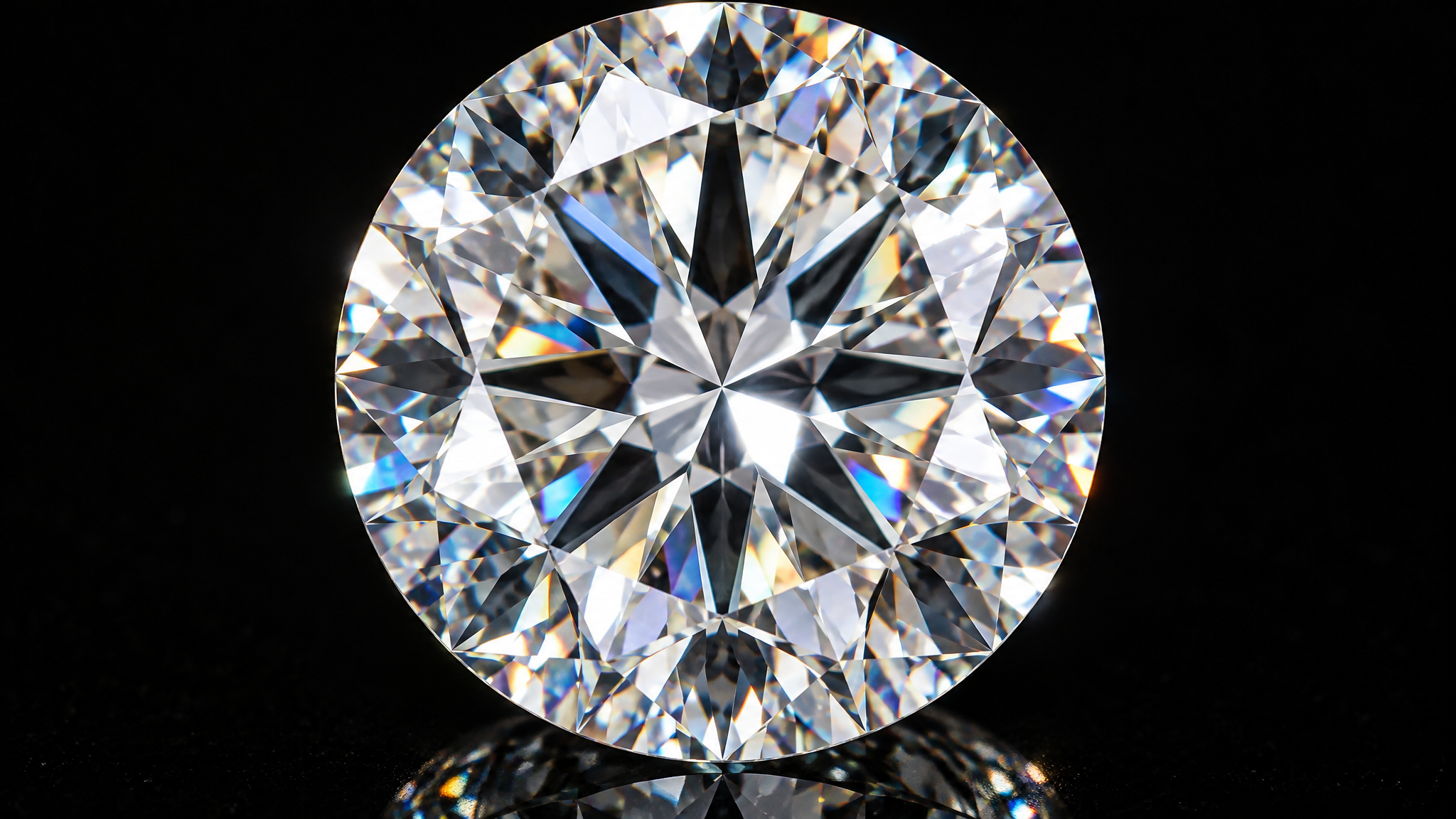
- Composition: Both are pure carbon crystals with identical hardness (10 on the Mohs scale) and brilliance.
- Price: Lab-grown diamonds typically cost 30-50% less than comparable natural diamonds.
- Resale value: Natural diamonds generally hold more resale value over time.
- Environmental impact: Lab-grown diamonds use energy but avoid the ecological disruption of mining.
- Certification: Both can be certified by GIA, IGI, or AGS with the same grading standards.
Our Top Picks
IGI Certified Lab-Grown Diamond Stud Earrings
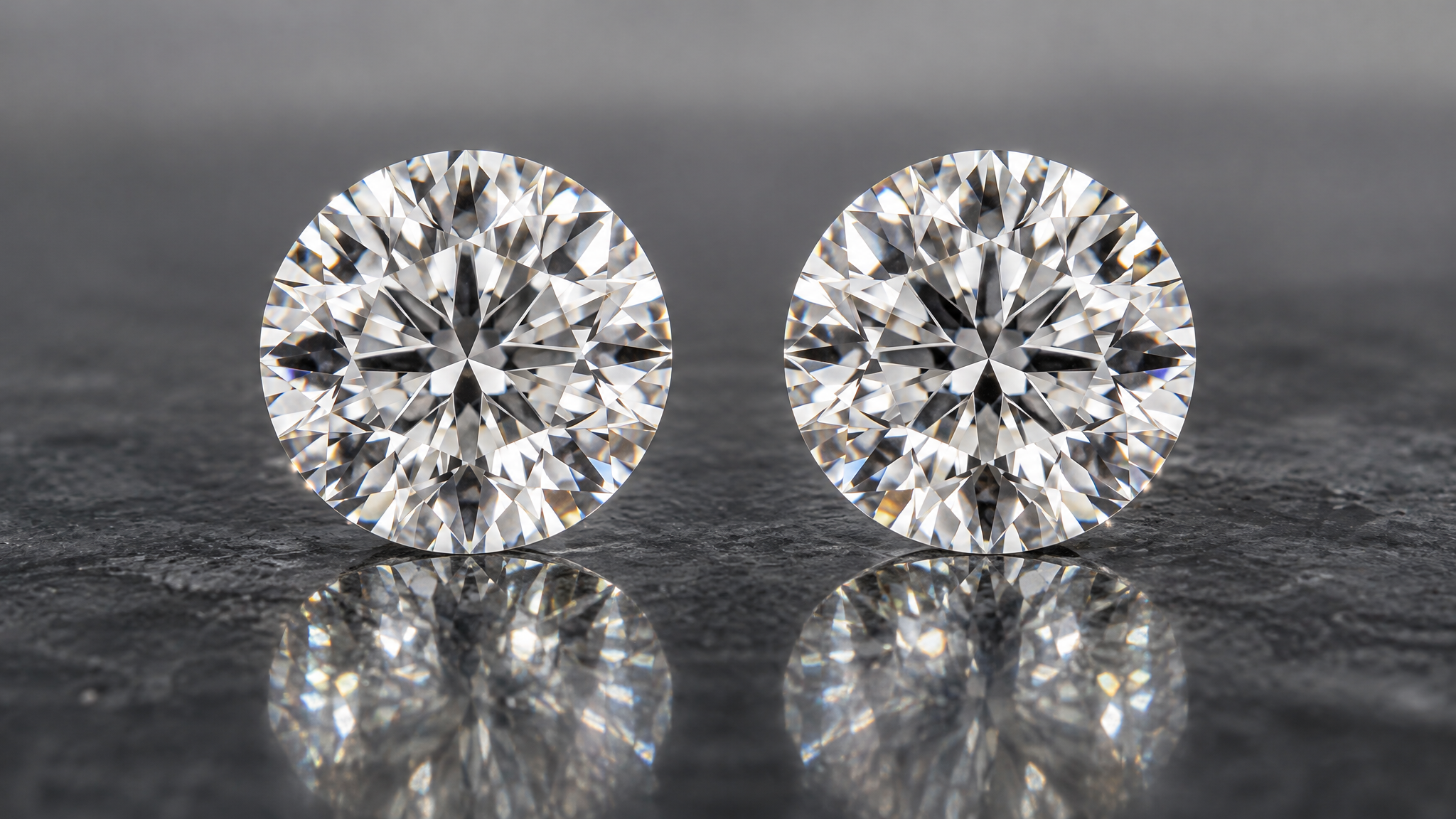
Classic round brilliant lab-grown diamond studs in 14K white gold. IGI certified for quality and authenticity.
See Price on Amazon →Naturally Mined Diamond Solitaire Pendant
A timeless solitaire pendant featuring a GIA-certified natural round brilliant diamond in a 14K gold setting.
See Price on Amazon →Lab-Created Diamond Tennis Bracelet
Stunning tennis bracelet with lab-grown round diamonds set in sterling silver. A luxurious look at an accessible price.
See Price on Amazon →Buying Tips
- Always look for certification from recognized labs (GIA, IGI, AGS) regardless of origin.
- Compare the 4Cs (Cut, Color, Clarity, Carat) between stones, not just the origin.
- If resale value matters to you, natural diamonds may be the better choice.
- Lab-grown diamonds are ideal for maximizing size and quality on a budget.
Frequently Asked Questions
Can you tell the difference between lab-grown and natural diamonds?
Not with the naked eye. Even most jewelers need specialized equipment to distinguish them. Both have identical optical and physical properties.
Are lab-grown diamonds “real” diamonds?
Yes. Lab-grown diamonds are chemically, physically, and optically identical to natural diamonds. They are real diamonds — just grown in a controlled environment instead of underground.
Which is better for an engagement ring?
It depends on your priorities. If maximizing size and quality within your budget is most important, lab-grown is excellent. If tradition and long-term value matter most, natural diamonds are the classic choice.