The Passion of Rubies
Known as the “King of Gems,” rubies have been treasured across cultures for thousands of years. Their intense red color symbolizes passion, love, and power. Fine rubies can even exceed diamonds in per-carat value, making them among the most precious gemstones on Earth.
Whether you’re looking for a statement piece or a meaningful gift, understanding ruby quality will help you find the best stone for your budget.
Evaluating Ruby Quality
- Color: The most critical factor. “Pigeon blood” red — a vivid, slightly purplish red — is the most valued color. Avoid overly dark or overly pink stones.
- Clarity: Most rubies contain some inclusions. Eye-clean stones with good transparency are ideal. Silk inclusions can actually create a desirable “star” effect.
- Treatment: Heat treatment is standard and accepted. Glass-filled rubies are less valuable — ask about treatments before purchasing.
- Origin: Burmese (Myanmar) rubies are the most famous, but Mozambique now produces excellent rubies at better prices.
Our Ruby Picks
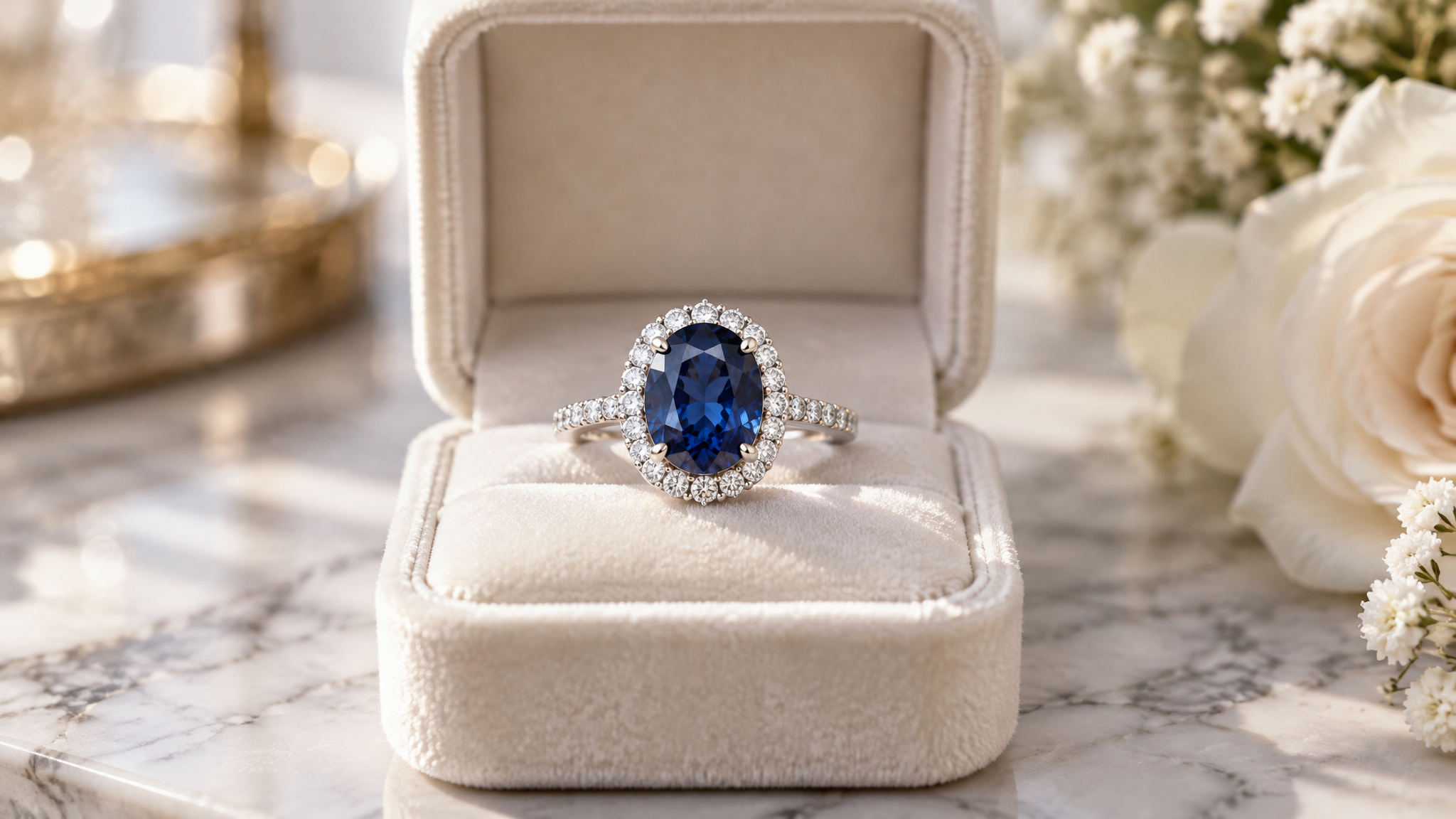
Natural Ruby and Diamond Ring
Oval natural ruby center stone with diamond accents in 14K white gold. Rich red color with excellent saturation.
See Price on Amazon →Ruby Pendant Necklace in Yellow Gold
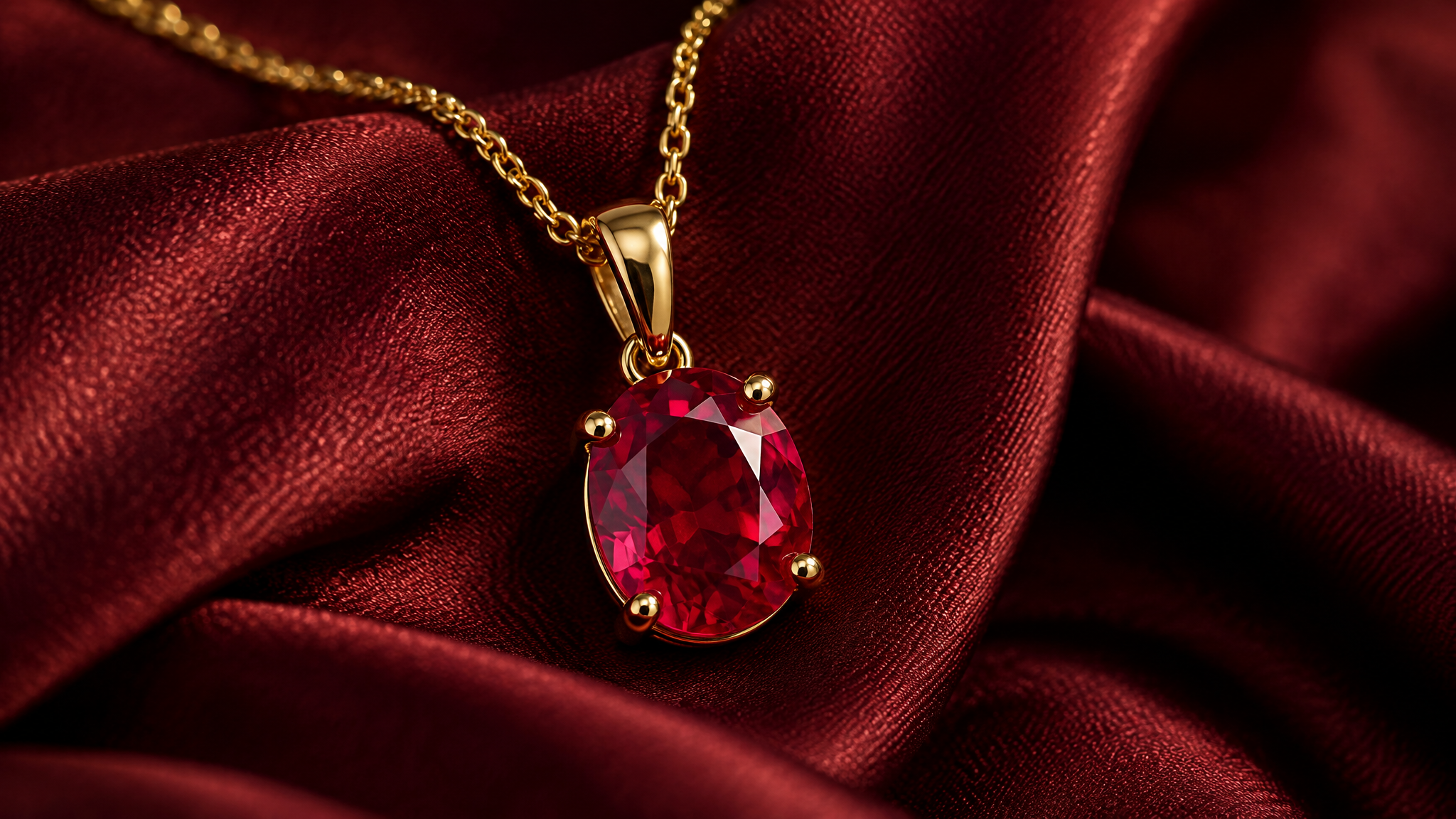
Round natural ruby pendant in 14K yellow gold with a delicate chain. The warm gold setting enhances the ruby’s red color beautifully.
See Price on Amazon →Ruby Stud Earrings
Matched pair of round ruby studs in 14K white gold. Perfect for adding a pop of color to any outfit.
See Price on Amazon →Frequently Asked Questions
What is “pigeon blood” ruby?
Pigeon blood is the trade term for the most desired ruby color — a vivid, saturated red with a slight purplish or bluish tint. It commands the highest prices in the ruby market.
Are rubies more valuable than diamonds?
Top-quality rubies can exceed diamond prices per carat. A fine Burmese pigeon blood ruby over 3 carats can be extremely rare and valuable.
How should I care for ruby jewelry?
Rubies are very durable (Mohs 9). Clean with warm soapy water and a soft brush. Ultrasonic cleaners are generally safe for untreated rubies. Avoid harsh chemicals.